
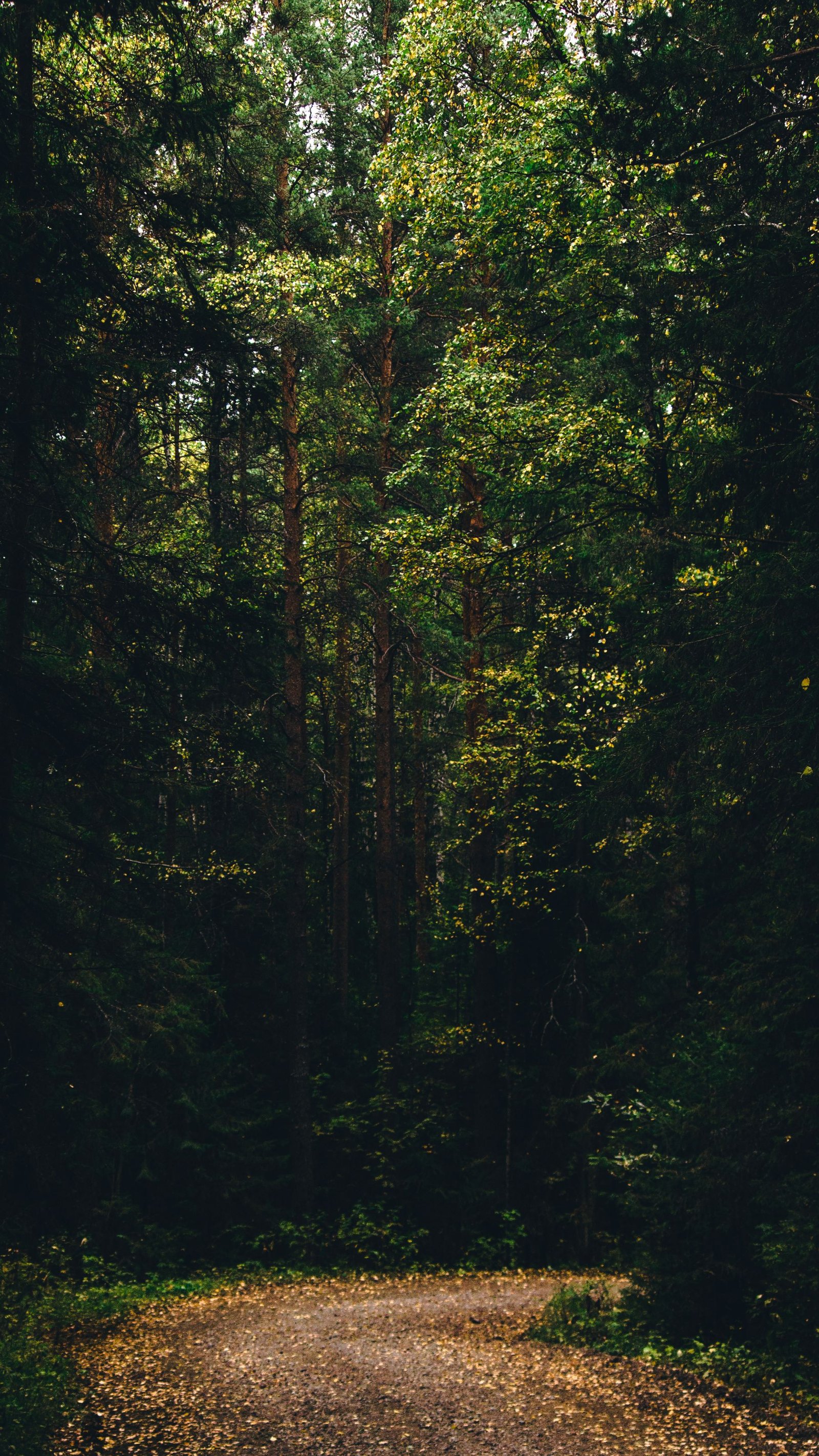
Walking changes your state
When you are stuck, sitting still can make the stuckness feel official. Walking changes the inputs: rhythm, light, space, and movement. That shift can make it easier to think without forcing the thought.
Give directed attention a rest
Focused work asks attention to aim and hold. Natural environments often invite a softer kind of attention: leaves moving, light changing, sounds arriving and fading. That softer attention can feel restorative after a screen-heavy block.
The five-five-five noticing game
- Name five things you can see.
- Name five sounds, near or far.
- Name five physical sensations: feet, air, shoulders, temperature, breath.
This is not about performing mindfulness correctly. It is about giving your attention a gentle place to land.
Use walks around learning
Before learning, a short walk can clear mental residue. After learning, it can become a loose recall session: explain the idea to yourself without notes while your feet keep rhythm.
No forest required
A green trail is lovely, but the habit does not require one. A quiet block, a courtyard, a hallway loop, or a few trips around the building can still change the state you bring back to the work.